Source Horizontal Key Cutting Square Fixture for Locksmiths
Compare 30 horizontal key cutting square fixture options from verified Chinese suppliers. These durable metal clamps support key duplicating for automotive and residential locks with customizable voltage and packaging; compare the available evidence and request quotations based on your requirements.
Key considerations
Products List


Comprehensive Sourcing Guide
Horizontal Key Cutting Square Fixture Sourcing Guide
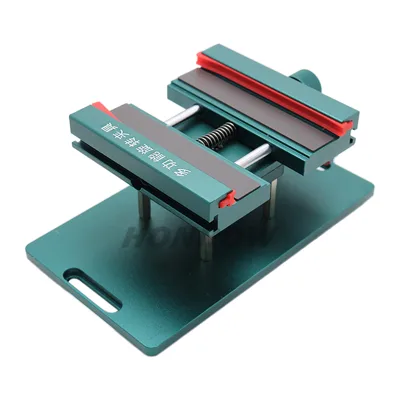
Sourcing a horizontal key cutting square fixture requires careful evaluation of mechanical stability and compatibility with existing duplicating equipment. These clamps are essential for securing blank keys during the cutting process, ensuring precision and repeatability in locksmith operations. Buyers must prioritize fixtures that offer robust material construction to withstand the high torque and friction generated during milling. The horizontal orientation often provides better visibility and ergonomic access for operators, reducing fatigue during high-volume production environments.
Procurement decisions should be guided by observed market signals, such as the prevalence of metal construction and specific model designations like CSH006 or JZ-301DS1. These identifiers often correlate with specific clamping mechanisms and compatibility with standard key cutting machines. It is critical to verify that the fixture aligns with the voltage and power requirements of the primary cutting unit, typically operating on 110V or 220V systems. Understanding these technical intersections prevents operational mismatches and ensures seamless integration into existing workshop workflows.
Product Scope and Observed Listing Signals
The current market for horizontal key cutting fixtures reveals a diverse range of options, primarily categorized by their intended application and structural design. Listings frequently highlight features such as durability and customization availability, indicating that suppliers can tailor clamping solutions to specific key profiles or machine interfaces. The observed product attributes suggest a strong emphasis on heavy-duty performance, with weights ranging from 17kg to 25.8kg, reflecting the substantial mass required for vibration dampening and stability during operation.
Buyers should note that packaging standards vary, with many suppliers utilizing plastic foam and high-strength brown cartons to protect the metal components during transit. Dimensions such as 363326 cm or 504233 cm are common, influencing storage and shipping logistics. The presence of specific model numbers like A-22 or B4 suggests a standardized nomenclature within the industry, allowing for easier cross-referencing of parts and accessories. These signals help buyers identify reputable suppliers who maintain consistent product lines and reliable supply chains.
Technical Specifications to Verify
When evaluating technical specifications, the material composition is a primary concern, with metal construction being the industry standard for ensuring longevity and resistance to wear. Buyers must verify the exact alloy or steel grade used, as this directly impacts the fixture's ability to hold keys securely without slipping or damaging the blank. Additionally, the clamping mechanism's design, whether manual or automated, should be assessed for ease of use and precision adjustment capabilities. Compatibility with various key types, including car keys and master keys, is another critical factor to confirm.
Electrical and dimensional specifications also require close scrutiny, particularly if the fixture integrates with powered cutting heads. Voltage ratings of 110V or 220V must match the local power infrastructure to prevent equipment damage. Furthermore, the physical dimensions of the fixture, such as those specified as 200x200x100mm or Φ 70 x 1.2 x Φ 22, must align with the machine's bed size and clearance requirements. Verifying these details ensures that the fixture will fit seamlessly into the existing setup without requiring costly modifications or additional adapters.
Compliance and Safety Documentation
Compliance with international quality standards is a key indicator of a supplier's reliability and commitment to product safety. Certifications such as ISO 9001 suggest that the manufacturer adheres to rigorous quality management systems, which can reduce the risk of defects in critical components like clamping fixtures. Buyers should request documentation to verify these certifications, ensuring that the products meet recognized benchmarks for manufacturing consistency and safety. This due diligence is particularly important for industrial tools that operate under high stress and friction.
Safety features embedded in the design, such as secure locking mechanisms and ergonomic handles, should also be documented and reviewed. While specific safety standards may vary by region, general best practices dictate that fixtures must prevent accidental release of the key during cutting. Buyers should inquire about any additional safety protocols or testing procedures employed by the supplier. Ensuring that the product complies with relevant electrical and mechanical safety regulations protects both the operator and the equipment from potential hazards.
Cost Drivers and Commercial Terms
Several factors influence the cost of horizontal key cutting fixtures, including material quality, manufacturing complexity, and order volume. High-density metal construction and precision engineering typically command higher prices but offer superior durability and performance. Buyers should consider the total cost of ownership, which includes maintenance, replacement parts, and potential downtime, rather than focusing solely on the initial purchase price. Economies of scale may apply, with lower per-unit costs for larger orders, although minimum order quantities (MOQs) can range from 1 to 20,000 pieces.
Commercial terms such as payment methods, shipping costs, and lead times also play a significant role in the overall procurement strategy. Suppliers may offer customization options, which can affect pricing and delivery schedules. It is advisable to negotiate clear terms regarding warranty coverage and after-sales support. Understanding these commercial dynamics allows buyers to make informed decisions that balance cost efficiency with long-term operational reliability. Transparent communication with suppliers about these terms helps avoid unexpected expenses and delays.
Supplier Qualification and Quality Control
Qualifying suppliers involves assessing their manufacturing capabilities, quality control processes, and track record in the locksmith tool industry. Buyers should request samples or detailed product specifications to evaluate the fit and finish of the fixtures. Inspecting the surface treatment, clamping force, and alignment accuracy can provide insights into the manufacturer's attention to detail. Suppliers with a history of producing high-quality tools, as indicated by positive feedback or repeat business, are generally more reliable partners.
Quality control measures, such as incoming material inspections and final product testing, should be verified to ensure consistency across batches. Buyers may also consider conducting third-party inspections or audits, particularly for large orders. Establishing a clear communication channel with the supplier for addressing any quality issues is essential. A proactive approach to supplier qualification helps mitigate risks and ensures that the procured fixtures meet the required performance standards for daily use.
Long-Term Procurement Checks
Long-term procurement success depends on establishing a sustainable relationship with suppliers who can provide consistent quality and support. Regular performance reviews of the fixtures, including monitoring for wear and tear, can help identify potential issues early. Buyers should maintain open lines of communication with suppliers to discuss any necessary improvements or updates to the product line. This collaborative approach fosters innovation and ensures that the fixtures remain compatible with evolving key cutting technologies.
Additionally, staying informed about industry trends and new product developments can provide competitive advantages. Buyers should periodically reassess their sourcing strategies to identify opportunities for cost savings or performance enhancements. Building a diversified supplier base can also reduce dependency on a single source, enhancing supply chain resilience. By focusing on long-term partnerships and continuous improvement, buyers can ensure that their horizontal key cutting fixtures continue to meet the demands of their locksmith operations effectively.
FAQs
What customization options are available for this key cutting machine?
Customization is available for this key duplicating machine to meet specific buyer requirements. The product supports customized features while maintaining high quality standards. Buyers can request specific adjustments to the tool without compromising its durable construction or essential functions for locksmith applications.
Which specifications define the horizontal key cutting square fixture models?
The fixture models include specific dimensions like 36*33*26 cm and 30*40*43 cm depending on the variant. Some models feature metal construction with weights ranging from 17kg to 25.8kg. These specifications ensure the tool fits standard CNC lathe and turret applications effectively.
Can buyers find suppliers with ISO 9001 certification for this tool?
Yes, suppliers offering this key cutting machine may hold ISO 9001 certification as indicated in product facts. This certification ensures quality management systems are in place for manufacturing. Buyers should verify specific supplier credentials to confirm compliance with international quality standards for locksmith tools.
How does the MOQ affect purchasing decisions for this equipment?
The minimum order quantity starts at 1 piece, allowing flexible purchasing for individual buyers or small businesses. This low entry point facilitates testing the product before larger orders. Buyers can source single units without needing to meet high volume thresholds typically found in industrial equipment markets.
What packaging standards are used for shipping the key duplicating machine?
Products are packed in high strength brown cartons with plastic foam protection to ensure safety during transit. Some variants use standard carton packaging while others specify detailed packing dimensions. This robust packaging prevents damage to the durable metal components during international shipping from China.
Which voltage options are supported by the key cutting machine models?
The machine supports dual voltage options of 110V and 220V to accommodate different regional power standards. This flexibility allows the tool to be used globally without requiring external transformers. Buyers should confirm the specific voltage requirement for their location before finalizing the purchase order.
What is the typical weight range for these locksmith tools?
The weight of the key cutting machines varies between 17kg and 25.8kg depending on the specific model selected. Heavier models like the 25.8kg unit offer stability for precision cutting tasks. Lighter variants around 17kg provide easier portability for mobile locksmith services requiring compact equipment.